


Preventing osteoporosis: nutrition tips for strong bones

Dominik Chiavi
Osteoporosis is a very common condition: According to Rheumaliga Schweiz, about 520,000 people in Switzerland are affected by the silent bone disease. Osteoporosis weakens the bone substance throughout the whole skeleton and changes its structure. According to the World Health Organization, WHO, it is one of the ten most common diseases in the world.
Bones become porous and fragile and there is a risk that they will break at the slightest stress, or even for no apparent reason. The disease often goes unnoticed for a long time – until a bone fracture occurring unexpectedly in the course of normal daily activities points to the possibility of osteoporosis.
Is a poor diet to blame for osteoporosis?
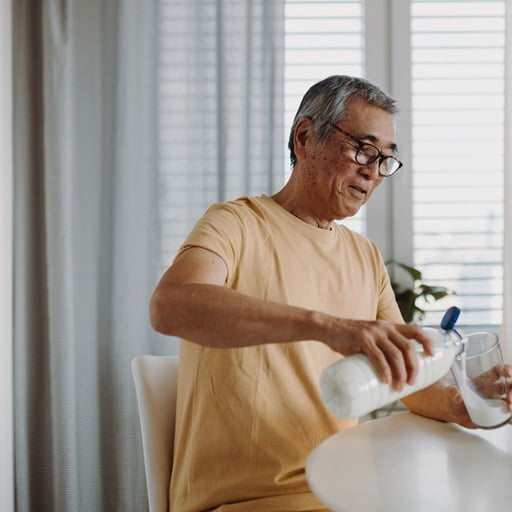
“Have you drunk your milk yet?” is a question often heard in many homes, as milk is known to help strengthen bones. A balanced diet with plenty of protein, calcium and vitamin D is healthy and helps prevent osteoporosis. In fact osteoporosis can develop as a result of insufficient bone formation at a young age or due to excessive bone degradation in adulthood. It doesn't usually become apparent until later in life, but it can be developing unnoticed for years beforehand.
How much bone mass is lost as you get older depends on various factors. Genetics, exercise, vitamin D and calcium, illnesses, an inactive lifestyle, a lack of sun exposure, and dietary habits all play an important role. Excessive alcohol consumption and smoking also contribute to the development of osteoporosis.
Nutrition advice over the phone from santé24
santé24's nutrition advice helpline offers assistance on topics such as nutrition for digestive system diseases or after surgery, for food intolerances or for specific diets (vegan, vegetarian, etc.). The advice service provides recommendations for a balanced diet and supports weight loss as well as providing help on general and individual nutritional issues.
Get advice by phone now. This service is free of charge for SWICA customers. Find out more.
What you need to know about nutrition
- Get enough calcium: Being the most important bone component, calcium is essential for bone mineralisation. The best sources of calcium are milk and dairy products, as they also provide protein. Some vegetables (broccoli, chard, spinach), herbs, pulses and whole grains also contain calcium. The content of mineral water varies depending on the product; for tap water it depends on the region.
- Vitamin D is essential: Vitamin D ensures that calcium is absorbed into your bones. We get relatively little of this from food – oily fish such as salmon and sardines, mushrooms and eggs are good sources, and smaller amounts are also found in dairy products. But a far more important source is sunlight, which allows the body to produce its own vitamin D.
- Vitamin K also helps with bone metabolism – a deficiency causes a decrease in bone density. Your vitamin K requirements are easily met with a balanced and varied diet. It is found in foods such as poultry, green vegetables, cereals, fruits and dairy products.
- Drink plenty: Make sure you cover your individual daily fluid requirement. You can also drink calcium-rich mineral water. This is particularly important for diets that exclude animal or dairy products.
- Not too much alcohol: the rule here is the less, the better.
Nutrition makes a difference
Nutrition is important for strong and healthy bones. People often overestimate how much calcium they consume in a day, and they often need more than they think. Rheumaliga has a calcium calculator that calculates your calcium intake and compares it with the recommended daily intake (available in German, French and Italian).
You can discuss with a specialist whether your diet has the calcium your bones need. According to Julia Sturzenegger, a nutrition specialist at santé24, the rule of thumb for healthy adults is: "Consume at least two to three servings of milk and dairy products throughout the day and supplement your diet with calcium-rich vegetables and mineral water."
Further background information can be found in the current focus topic Rheumaliga – Osteoporosis – including a clear and concise podcast episode (in german).
Benevita donation project – be active and do something good
Complete challenges while doing something good for yourself and others: you can donate the community coins you collect from the Benevita challenges you complete to Rheumaliga Schweiz, for improved education about osteoporosis and more. More information about the donation project


