

Exercise trends put to the test

Fabian Reichle
New sports and exercise trends appear regularly, and some of them disappear just as quickly. They usually promise better fitness or simply more enjoyable exercise. Trends can motivate people to try new things and make it easier to build exercise into their daily routine.
However, it pays to be critical. You should be particularly sceptical of exercise methods that are extreme or promise quick results. From the multitude of trends currently dominating the world of sports and exercise, we have selected five and subjected them to a qualitative analysis.
1. Cold exposure training: energy boost or cold-eyed hype?
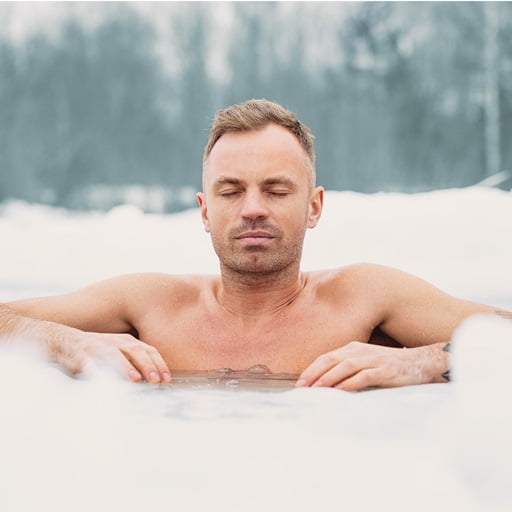
Ice baths, cold showers and cryotherapy are increasingly being used as a way to promote well-being and recovery. The idea behind this is that cold triggers various physiological responses in the body which can influence, amongst other things, inflammatory processes, blood circulation and the perception of muscle discomfort.
In sport in particular, cold treatments are used following intensive training sessions or competitions. Studies show some positive effects in this area of application, for example on subjectively perceived recovery or muscle discomfort following exertion.
At the same time, it has not yet been conclusively established which form of cold treatment, which temperature and which duration of application achieve the best results.
2. Hybrid training: the best of both worlds
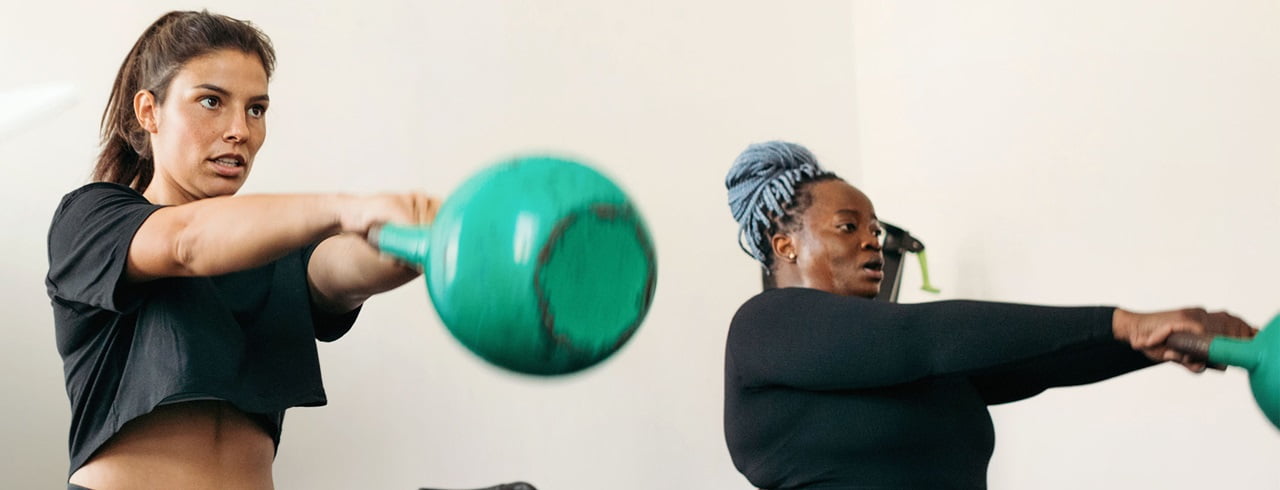
Hybrid training is a holistic form of exercise that combines strength and endurance. This combination makes it possible to target different training stimuli at the same time. It's a well-rounded approach to developing overall fitness. Particularly popular are versions integrating the two elements in a single training session, for example with interval or circuit training, although this does place a greater strain on the system. The body is challenged in several areas at once, which calls for careful planning. Without sufficient recovery, the intensity can quickly become too much. Jacqueline Brunner, an exercise expert at the santé24 online practice, adds: “If you train more often than twice a week, it's worth spacing out your sessions. That way you'll get better results.”
Hybrid training offers a wide range of possibilities, but requires a good balance between exercise and recovery. According to Jacqueline Brunner, anyone wanting to try a combi workout should schedule their strength training before the endurance session to achieve an efficient improvement in performance in both areas.
Understanding exercise trends with santé24
Looking for personalised guidance? You can book an exercise consultation from the santé24 online practice for advice on any aspect of healthy exercise. What trends will fit into your daily routine? What goals are realistic? And how can you make exercise a long-term part of your routine?
3. Fitness apps and tracking: motivated by data?
It's hard to imagine everyday life without digital tools such as smartwatches or apps. They make our movement measurable and visible by recording steps, heart rate or sleep patterns. This transparency can be motivating and help you to better assess your progress or establish routines.
But it's important to remember that such data isn't always entirely accurate. Also, placing too much emphasis on key performance indicators can mean that your own physical wellbeing takes a back seat, or it can create a certain amount of pressure to achieve set – and perhaps unrealistic – targets. Jacqueline Brunner agrees with this assessment and suggests the following tip: "When you're out jogging, it's not very helpful to constantly monitor your heart rate. It's better to pay attention to how hard you're working and whether you could still hold a conversation at the same time."
Tracking can provide useful guidance. But it's crucial to view the data in context and not to use it as the sole basis for the way you exercise.
4. Padel and other new must-try sports
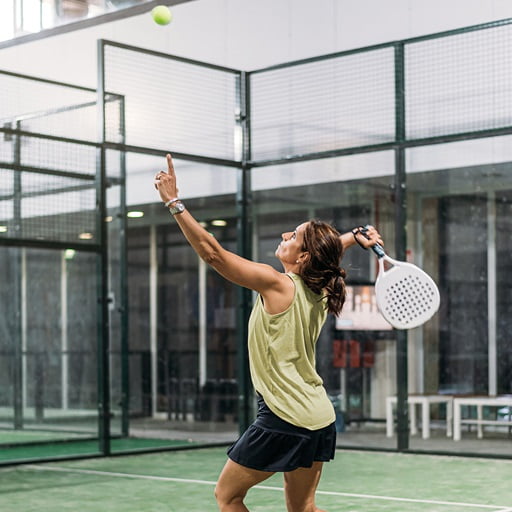
Novel sports such as padel can be motivating and fun. However, the benefits are most evident when you play them regularly. So it’s worth spending a little more time exploring one of these trend sports.
5. Social and community fitness: together instead of alone
From running clubs and outdoor groups to joint workouts in the park, exercise is increasingly becoming a social experience. It's a chance to be active while maintaining social contacts. This sense of community can be motivating and make it easier to keep up exercising.
On the other hand, group dynamics can develop which may not be everyone's cup of tea. Different levels of performance or expectations within a group can create pressure or lead to less attention being paid to individual needs.
Training in a group can be rewarding, but it requires you to consciously maintain your own pace and focus on having fun.
Conclusion
Exercise trends add variety and often make it easier to get started, especially when you lack motivation or inspiration. However, if you switch from one activity to the next too often, you quickly lose momentum, which is actually the most crucial thing. So it isn’t necessary to jump on every trend or constantly try something new. It's often enough simply to find an activity that you enjoy and that fits easily into your daily routine.


