

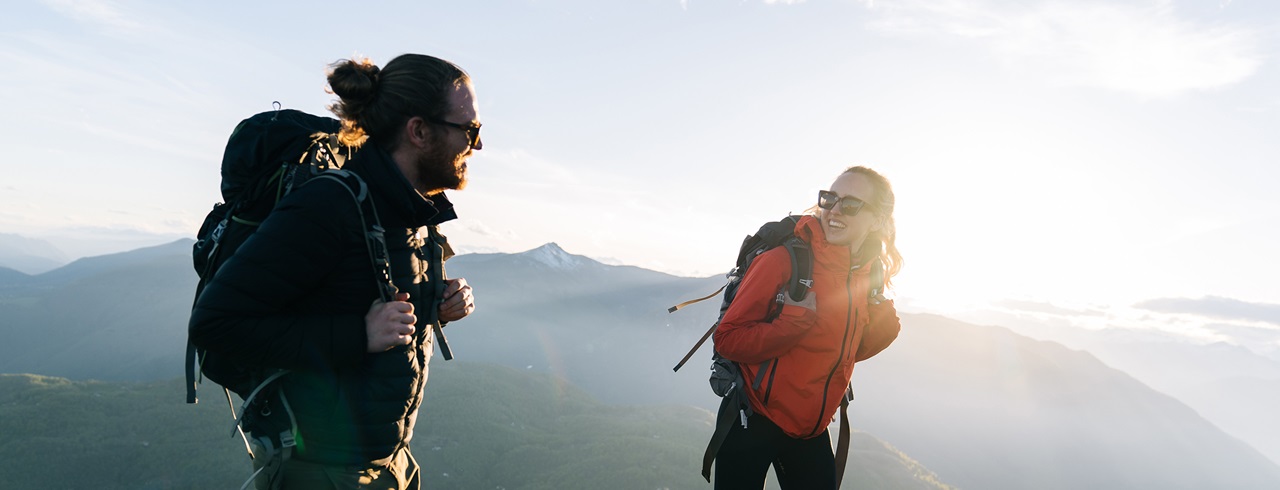
Autumn hikes: tips for staying safe

Fabian Reichle
A mountain hike brings many benefits. Physically, it can be anything from a relaxed stroll to intensive cardio training, and your mind also benefits as you switch off from hectic everyday life and immerse yourself in the ever-changing natural scenery. The last of these is particularly evident as the seasons change. The way that nature is never constant is fascinating, but it also brings with it specific dangers. Autumn is no exception, which makes the planning and equipment needed for a hike very different from a summer excursion.
Colder conditions, warmer clothing
As obvious as it might sound, temperatures drop in autumn. This may not yet be noticeable when you're at home, but in the mountains you could have to contend with snow when you get as little as 1 000 metres up – even when it's still pleasantly warm down in the valley. This means you need to consider not only the daytime temperature but also the snow line when planning your hike. Always make sure to pack gloves, a hat and a warm jacket in your rucksack. Waterproof, non-slip shoes are also a must if you come across snow fields.
Clear autumn days in particular can also produce large temperature variations. When it feels pleasantly warm in the sun, it can quickly become icy cold in the shade or if the wind gets up. Dress in layers so you can react flexibly and always remain well-protected.
Shorter days, more light
The autumn sun covers the alpine landscape in golden light, but it doesn't shine for as long as in the summer. By mid-October, for example, the days are already around 4.5 hours shorter than in mid-July. You should therefore postpone any extra-long hikes until the following year, and for safety reasons a head torch should be part of your standard equipment – even if you're only planning a short walk. You just never know whether unforeseen circumstances could result in you being delayed.
The time you set off also becomes more important in autumn. Early starters not only build in enough of a buffer before it gets dark, but can often also experience spectacular morning views with shrouds of mist in the valleys.
Different weather, different choice of route
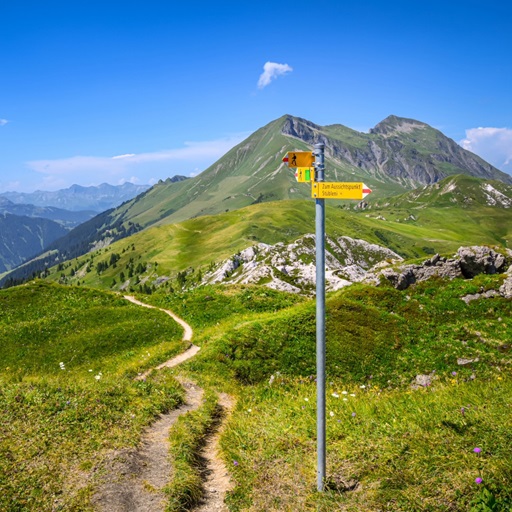
Summer storms bring thunder and lightning; autumn storms bring gales. While forests are enticing with their brightly coloured leaves, areas with old trees should be avoided when it's windy, as falling branches can be a serious hazard. Autumn is also a time when leaves fall. That sounds harmless enough, but they can sometimes make a slope slippery and cover up tricky sections of path, making it difficult to see what you are walking on. So you should take extra care when there are lots of leaves on the ground
Another factor to consider is patches of fog and cloud, which are particularly common in autumn. Visibility can deteriorate dramatically within minutes, meaning that good orientation – with a map, GPS or route markers – is essential. By planning your route in advance you can avoid exposed areas and ensure you don't lose your bearings even in poor visibility.
Out of season, out of infrastructure
The summer season for huts, restaurants and mountain railways is often over by mid-autumn. It's therefore crucial to check in advance which are still open. If you find yourself outside a closed gondola station and have to descend on foot instead, that's not just annoying but could also put you at unnecessary risk depending on how fatigued you are. If restaurants and huts are closed, you need to pack more food. The same goes for drinks: many natural mountain springs dry up in autumn and don’t bear water again until spring.
You should also bear in mind that emergency services may take longer to reach remote areas in autumn, either because of shorter operating times for transport or due to difficult weather conditions. Careful preparation and a realistic assessment of your abilities are therefore doubly important.
Careful planning, greater rewards
Autumn in the mountains poses particular challenges but also offers great opportunities. If you prepare well, are flexible with your plans and pay attention to the changing conditions, you will be rewarded with impressive experiences: clear views, rich autumn colours in woodlands and paths that are often much less busy than in summer. So with caution, warm clothing and a little extra food and drink, nothing stands between you and some unforgettable mountain hikes at one of the most beautiful times of the year.
SWICA fitness and exercise offers
Discover the comprehensive range of preventive healthcare services in the areas of fitness and exercise offered by SWICA's Completa Forte, Praevita and Optima supplementary insurance plans. More information.


