


Human papillomavirus – protection and prevention

Content-Team SWICA
There are various types of human papillomavirus (HPV). Most of them are harmless, but some of them can cause cancer. HPV is transmitted in many ways including sexually through vaginal, oral or anal intercourse. Since HPV is found on the mucous membranes, it can also be transmitted by touch. The main risk group is 16 to 25 year-olds, as the risk of infection is greatest when individuals become sexually active. The risk also increases with the number of sexual partners.
The Federal Office of Public Health estimates that around 70-80% of sexually active people come into contact with HPV during their lifetime. In most cases, the virus disappears within two years of infection. Two-thirds of infections are asymptomatic.
Different risk types and symptoms
Low-risk HPV types can cause genital warts, which are found in the vagina and the anus. However, they can also occur in the external genital and anal areas in the form of cauliflower-like growths. Genital warts can sometimes cause pain during intercourse. High-risk types of HPV can cause a range of precancerous conditions and cancers, including cervical cancer. In men, they can result in cancer of the anus, although this is less common than cervical cancer.
Treatment and early detection
HPV infections can be detected in women by a cervical smear (Pap test), which a gynaecologist will carry out during a check-up. The cost of the test is covered by basic insurance every three years. If abnormalities are detected, further tests may be carried out. The sooner that treatment begins, the better the chances of success. Treating precancerous lesions involves removing the mucous membrane at the opening of the cervix, which can lead to problems and premature birth in subsequent pregnancies. There are various (relatively painful) options for treating genital warts, including freezing, laser treatment and surgical removal. However, such warts can return after treatment.
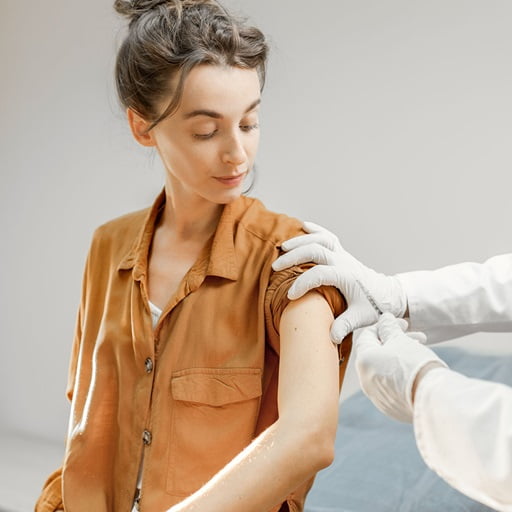
Protection through vaccination
Protection through condoms
For prevention, the recommendation is always to use a condom during sexual intercourse – especially for those who change sexual partners frequently. However, since HPV can also be transmitted through the skin, condoms merely reduce the risk of infection.
For your health: santé24 and SWICA Benecura
Do you have a health question? Our physicians and healthcare professionals at santé24 are available 24/7 on +41 44 404 86 86 for SWICA customers. In addition to telephone health advice, patients whose conditions are appropriate for telemedicine can receive medical services such as diagnostics, treatment, and even e-prescriptions for prescription medications.
Do you feel ill? The SWICA Benecura medical app makes it easy to carry out a digital SymptomCheck. You will receive a personal recommendation about what to do next. Send your information in encrypted form to the santé24 online practice for your telephone consultation to significantly shorten the assessment.


