
Nasal spray: great in the short term, harmful in the long run
Whether during the flu season or the first pollen flight, many suffer from nasal congestion almost all year long. Many people immediately seek relief from a nasal spray. But in most cases it's not long before you can't manage without it. And that can be dangerous.
19.11.2025 | 2 minutes reading time

Author:
Content-Team SWICA
Content-Team SWICA
Your nose has a lot to deal with: pollen in spring, viruses and bacteria in winter. People with an allergy to animal hair or dust can suffer from a blocked nose off and on throughout the year. Nasal spray can provide reliable relief. The little bottle contains a solution of so-called alpha sympathomimetics, substances that cause the blood vessels in the nasal mucosa to constrict, bringing the swelling down and allowing the air to pass through your nose again. The effects of nasal spray last a few hours, enabling you to breathe normally.
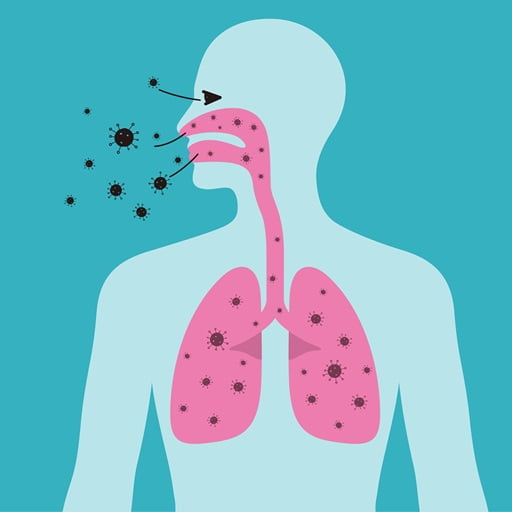
Sounds great, doesn't it? Yes, but nasal sprays are potentially highly addictive, and if used too much can even harm more than they help. The nasal mucosa dries out and can no longer perform its protective function. Germs, bacteria and viruses in the air can thus get into the body more easily. Too much nasal spray can also trigger a chronic cold and cause the nasal mucosa to swell even more than before once the effect of the spray wears off. Long-term overuse can cause the nasal mucosa to recede and can even lead to holes in the tissue.
How much is too much?
If possible, nasal sprays containing alpha sympathomimetics should only be used in the evening before going to bed and for no longer than seven days in a row.What are the alternatives?

- There's a wide selection of nasal sprays with saline solutions. The salt they contain removes excess fluid from the nasal mucosa, bringing down the swelling. But the effect of saline sprays doesn't last very long. The advantage is that they don't get you hooked, and the nasal mucosa doesn't swell up even more when you stop using the spray. Even so, you shouldn't use this type of spray too often, as it can dry the nasal mucosa out.

- Nasal irrigation works in a similar way. You squirt a lukewarm salt water solution into one nostril. This creates negative pressure, flushing the mucus and the pathogens it contains out of the nose and sinuses.

- Another option is inhalation. Here you breathe in the steam from hot water, to which you can add fresh herbs (for example thyme or camomile) or essential oils as desired. The steam hydrates the mucous membranes and strengthens the natural protective function against pathogens. It also loosens mucus, which can then be coughed up or blown out.
For your health: santé24 and SWICA Benecura
Do you have a health question? Our physicians and healthcare professionals at santé24 are available 24/7 on +41 44 404 86 86 for SWICA customers. In addition to telephone health advice, patients whose conditions are appropriate for telemedicine can receive medical services such as diagnostics, treatment, and even e-prescriptions for prescription medications.
Do you feel ill? The SWICA Benecura medical app makes it easy to carry out a digital SymptomCheck. You will receive a personal recommendation about what to do next. Send your information in encrypted form to the santé24 online practice for your telephone consultation to significantly shorten the assessment.