

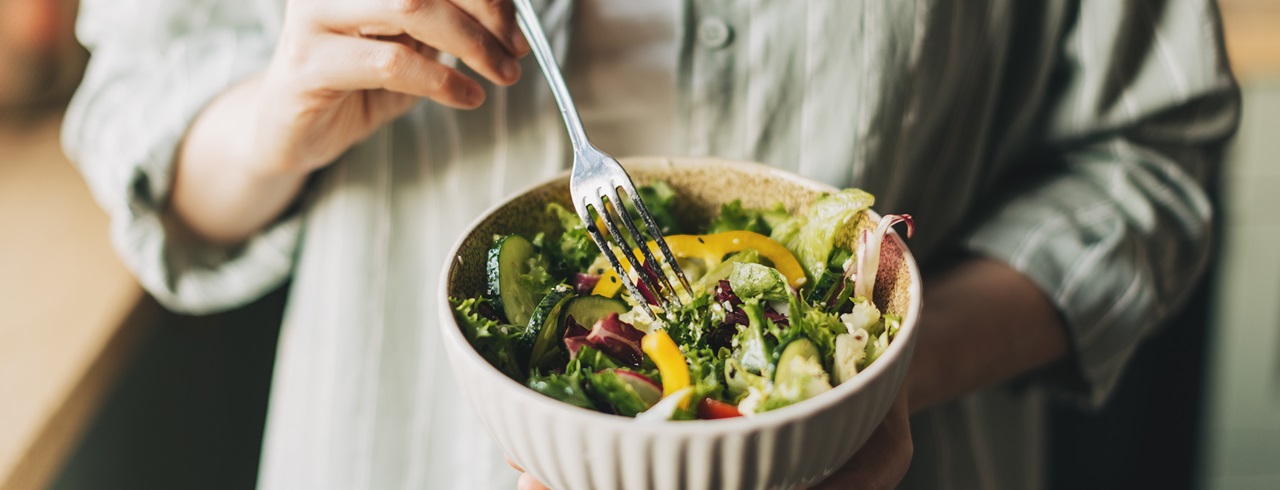
Taking a closer look at weight loss myths
Dominik Chiavi
People who want to lose weight are particularly susceptible to all sorts of tips, tricks and advice being offered. Good advice isn’t easy to find – and should be carefully weighed. Fifty years ago, fat was demonised, then carbohydrates became taboo. Nowadays sugar is treated like poison, and if you don’t get enough protein, then nothing else will work. Which statements are true and which ones are false?
1. Eating at night makes you fat
Whatever you eat after 6 p.m. goes straight onto your hips – or at least that’s according to a widely held belief. It’s a myth. What really matters isn’t when we eat, but the amount of calories we consume throughout the day.
If you maintain a calorie deficit, you will lose weight even if you eat dinner late. The only consideration is that your dinner shouldn’t be too difficult to digest. Lighter fare in the evening makes falling asleep easier.
2. A trip to the sauna melts the fat away
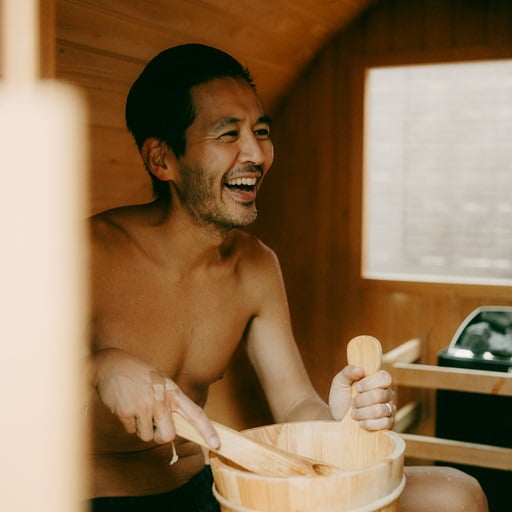
Regular sauna visits can help prevent colds, but you can’t sweat away your fat deposits as easily. That would be too good to be true. The verdict: myth.
Any reduction in weight that you may notice post-sauna is simply down to water loss. When you sweat, you lose water weight but not fat. In fact, losing such a substantial amount of fluid may even stimulate your appetite, which is why it’s important to drink plenty of water or unsweetened tea during and after your sauna session, to stop your stomach from sending out a false alarm.
3. Fat and carbohydrates make you gain weight
Fatty foods have been demonised for a long time. However, the healthy fats found in nuts, avocados and fish are essential for your body, and can even help you lose weight by making you feel fuller for longer.
Carbohydrates are also not your enemy – on the contrary, they are part of a balanced diet. Wholegrain products, pulses and vegetables supply you with energy and important nutrients. It’s the quality that counts, rather than going completely without. This is a myth.
4. Two meals a day are enough

Some people say that grazing between meals staves off hunger and helps you lose weight, while others claim that having just two meals a day is the healthiest option. So which assertion is correct?
The bottom line is that losing weight doesn’t depend on the number of meals you eat, but on how much energy (calories) you consume throughout the day, and how much you expend through movement and work, including mental tasks.
We do know that blood sugar spikes after every meal, causing insulin to be released, which promotes fat storage. So constantly grazing on food may not be helpful. But what matters is the overall picture. You have to find out for yourself what works best for you – there is no right or wrong.
What actually helps with weight loss
The good news is that if you want to lose weight for good, you don’t need a secret formula. The principles behind long-term results are simple.
- Calorie deficit: Your body needs to use up more calories than it takes in.
- Feeling full: Getting enough protein, healthy fats and complex carbohydrates helps with weight control.
- Strength and endurance training will speed up the rate at which you burn fat.
- Getting enough sleep and reducing long-term stress also helps.
- Strict diets are usually unsustainable. It’s more important to focus on maintaining balanced, varied and healthy nutrition throughout the year.
Nutrition advice over the phone from santé24
santé24’s nutrition advice helpline offers assistance on topics such as nutrition for digestive system diseases or after surgery, for food intolerances or for specific diets (vegan, vegetarian, etc.). The advice service provides recommendations for a balanced diet and supports weight loss as well as providing help on general and individual nutritional issues.
Get advice over the phone now. This service is free of charge for SWICA customers. Find out more.
santé24: lifestyle (change) programme
The lifestyle (change) programme is exclusively open to SWICA customers aged 18 or over. The coaching is free of charge, but there may be costs for laboratory tests or psychological/psychiatric consultations. The programme is offered in German and English. If you are interested in signing up, please answer a few questions about your health and then book an appointment online. Do you have any further questions? You can reach us any time on +41 44 404 86 86.


