

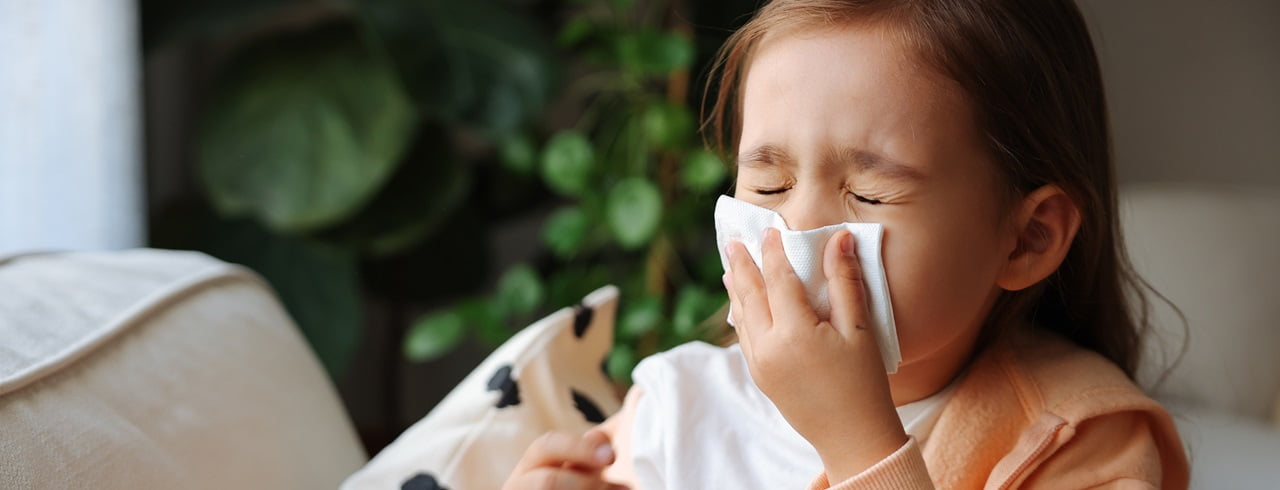
Respiratory syncytial virus (RSV)

Valentina Diaco
Alongside the common cold and flu viruses, the respiratory syncytial virus (RSV) is a key cause of infections in the colder months. It's the main reason for hospitalisation among infants and young children in winter, although it can cause infections throughout the year.
What is RSV?
A respiratory syncytial virus infection leads to respiratory diseases. The virus is primarily transmitted via droplets produced when coughing or sneezing, which enter the body through the conjunctiva or nasal mucosa. The infection can also be spread indirectly by people touching contaminated surfaces.
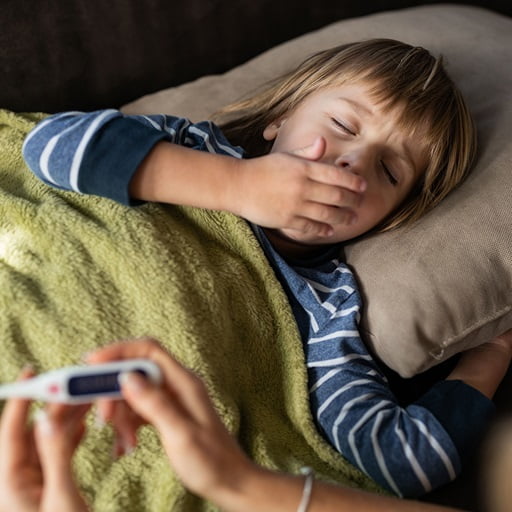
Typical symptoms of RSV infection
- A cold
- Fever
- Dry, persistent cough
- Fatigue
- Conjunctivitis
Symptoms usually develop two to eight days after exposure to the virus, although people can be contagious one day before and up to eight days after the onset of the first symptoms. Older children, adolescents and adults generally only experience mild symptoms.
Risks of contracting RSV
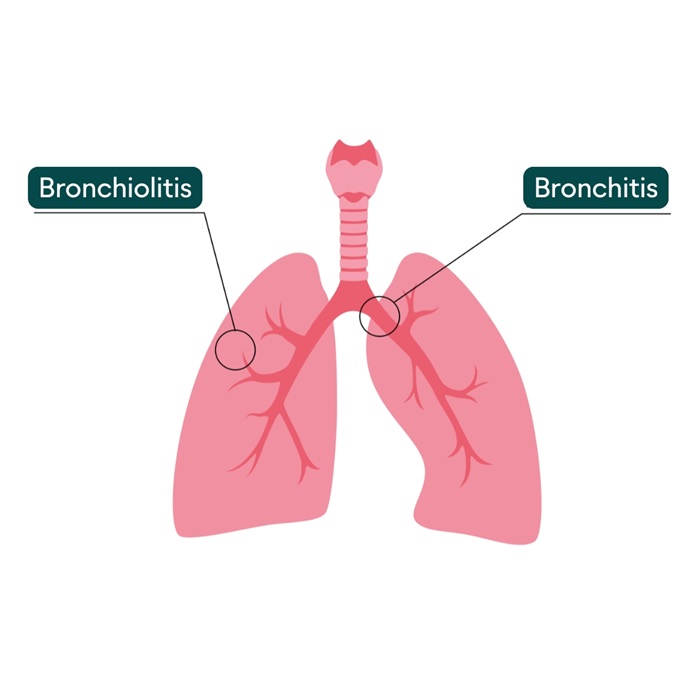
Certain groups of people are at a higher risk of developing severe symptoms after contracting RSV, which may lead to hospitalisation. Infants and young children are particularly at risk because they can develop bronchitis or bronchiolitis if the virus spreads from the upper to the lower respiratory tract. Apart from increasing shortness of breath, there may not be many noticeable “external” symptoms, such as coughing. The disease is more common in children whose parents smoke at home.
People with chronic diseases, especially respiratory conditions such as asthma, and older people are at higher risk, as an RSV infection can worsen their overall health or even lead to pneumonia.
Good to know
How to protect yourself and others
Those who are ill should avoid contact with infants, young children, people with chronic diseases and the elderly. There is no specific treatment for RSV; symptoms are treated individually if necessary.
In Switzerland, three vaccines against RSV are approved for people aged 60 and over, to help protect against severe symptoms. Since 2024, newborns and infants can be immunised either based on their birth season (autumn/winter) or indirectly through maternal vaccination, which protects the newborn baby.
Important tips
- Wash your hands regularly and thoroughly
- Cough and sneeze into the crook of your elbow
- Dispose of used tissues in the toilet if possible
- Disinfect your hands regularly
- Air rooms well
- Wear a face covering if you experience cold symptoms
- If you have any symptoms of infection, avoid contact with risk groups
For your health: santé24 and SWICA Benecura
Do you have a health question? Our physicians and healthcare professionals at santé24 are available 24/7 on +41 44 404 86 86 for SWICA customers. In addition to telephone health advice, patients whose conditions are appropriate for telemedicine can receive medical services such as diagnostics, treatment, and even e-prescriptions for prescription medications.
Do you feel ill? The SWICA Benecura medical app makes it easy to carry out a digital SymptomCheck. You will receive a personal recommendation about what to do next. Send your information in encrypted form to the santé24 online practice for your telephone consultation to significantly shorten the assessment.


