


TBE and Lyme disease: when ticks bite

Valentina Diaco
In spring and summer, the temperature rises and we all get the urge to spend more time outdoors. And we're not the only ones. Early spring to late autumn is also tick season. It's essential to check your body from head to toe after spending time outdoors during this period, because infected ticks can transmit diseases to humans. The longer they spend on the body, the greater the risk. The two most common diseases transmitted in this way are TBE and Lyme disease. Find out below how to spot, prevent and treat these illnesses.
What is tick-borne encephalitis (TBE)?
TBE is a viral illness that leads to inflammation of the brain and meninges (the membranes enveloping the brain and spinal cord). The tick must be infected with the virus in order to spread it to other living organisms. The symptoms of TBE differ from person to person.
A small proportion of sufferers experience flu-like symptoms seven to 14 days after being bitten, so initially it may be difficult to diagnose TBE. Others report symptoms that affect the nervous system, such as dizziness, headaches, sensitivity to light, difficulty concentrating or walking, or paralysis on one side of the face. TBE can be very severe and may leave lasting damage, such as paralysis.
Prevention and treatment of TBE

The TBE vaccine is an effective way to protect yourself against serious illness. The Federal Office of Public Health recommends vaccination for everyone in Switzerland, as Ticino is the only canton not designated a high-risk area.
There is no treatment for the cause of tick-borne encephalitis: only the symptoms can be treated. Anyone who spends time outdoors should get vaccinated (the new advice recommends this for everyone above the age of three), always check themselves thoroughly for ticks, and if they find any, remove them as quickly as possible. Prevention is better than cure.
Advice on vaccinations from santé24
Would you like to know whether your vaccinations are still up to date? santé24 offers telephone advice by appointment. The specialists will generally check whether a booster vaccination is appropriate. For insured persons with SWICA, the advice is free of charge. Find out more.
What is Lyme disease?
Lyme disease is a bacterial infection caused by borrelia bacteria, and is more common than TBE. The bacteria enter the bloodstream of the affected person after a tick bite and cause early symptoms.
How to recognise Lyme disease
As there are various different types of the borrelia bacteria that cause Lyme disease, the symptoms can differ from person to person. The first signs may be reddening of the skin or flu-like symptoms, as with TBE.
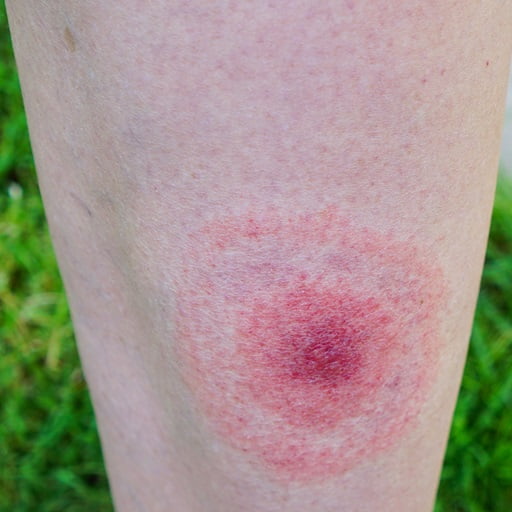
Other possible symptoms of (advancing) Lyme disease:
- Headaches and joint pain
- Heart problems
- Skin problems
- Disturbed vision
- Difficulty hearing
- Paralysis
- Inflammation of the meninges
- Mental health problems
- Neurological problems
This list is not exhaustive.
Source: zecken-stich.ch (French and German only).
Prevention and treatment of Lyme disease
Unlike TBE, Lyme disease cannot be prevented through vaccination. However, if caught early, it responds well to antibiotics. The duration and success of treatment depends on the stage of the illness and will be decided by the doctor in each case.
The earlier the diagnosis, the easier the illness is to treat. Depending on how far the illness has progressed, antibiotics may be administered in the form of an intravenous infusion.
Tips for protection against ticks
For fascinating facts on these pesky parasites and helpful tips on how to protect yourself from them, see the SWICA world of health.
For your health: santé24 and SWICA Benecura
Do you have a health question? Our physicians and healthcare professionals at santé24 are available 24/7 on +41 44 404 86 86 for SWICA customers. In addition to telephone health advice, patients whose conditions are appropriate for telemedicine can receive medical services such as diagnostics, treatment, and even e-prescriptions for prescription medications.
Do you feel ill? The SWICA Benecura medical app makes it easy to carry out a digital SymptomCheck. You will receive a personal recommendation about what to do next. Send your information in encrypted form to the santé24 online practice for your telephone consultation to significantly shorten the assessment.


